
Travel guide · Asia
Seoul: a getaway of historic palaces, K-pop culture and neon lights
Seoul combines Joseon dynasty palaces, neighborhoods of traditional houses, night markets and the pop culture that has conquered the world. A modern, safe capital with delicious, very affordable food.
Why travel to Seoul with voy a…
🎟️
We design neighborhood routes to combine tradition and modernity without wasting time.
🏨
We help with entry requirements and your transit card.
🚆
We combine Seoul with Busan, Gyeongju, Jeju Island or Japan.
💛
Personal support before, during and after your trip.
What to see and do in Seoul
Gyeongbokgung
The main palace of the Joseon dynasty, with the changing of the guard and mountains in the background.
Bukchon Hanok Village
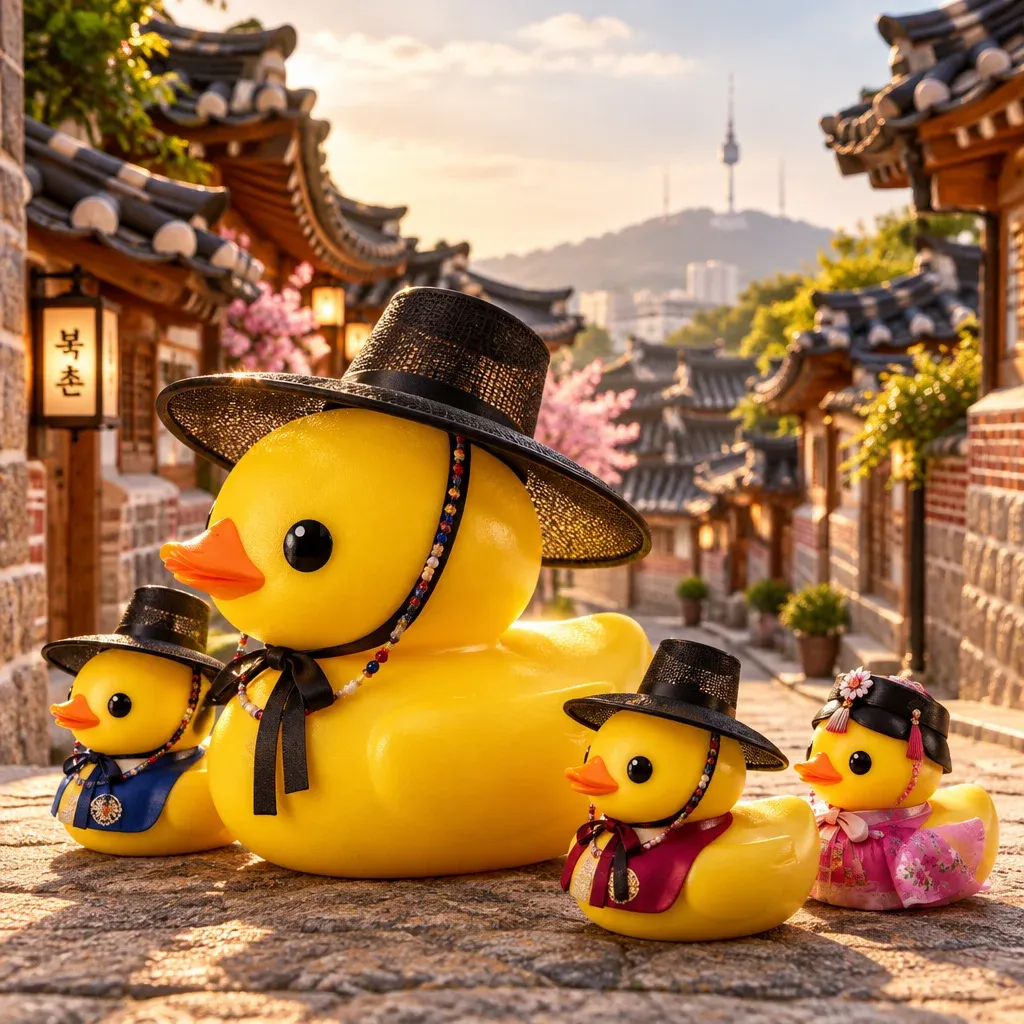
Traditional Korean houses on a hillside; it’s a residential area, so visit quietly and during permitted hours.
Changdeokgung
A UNESCO-listed palace with a Secret Garden visited on guided tours.
Markets
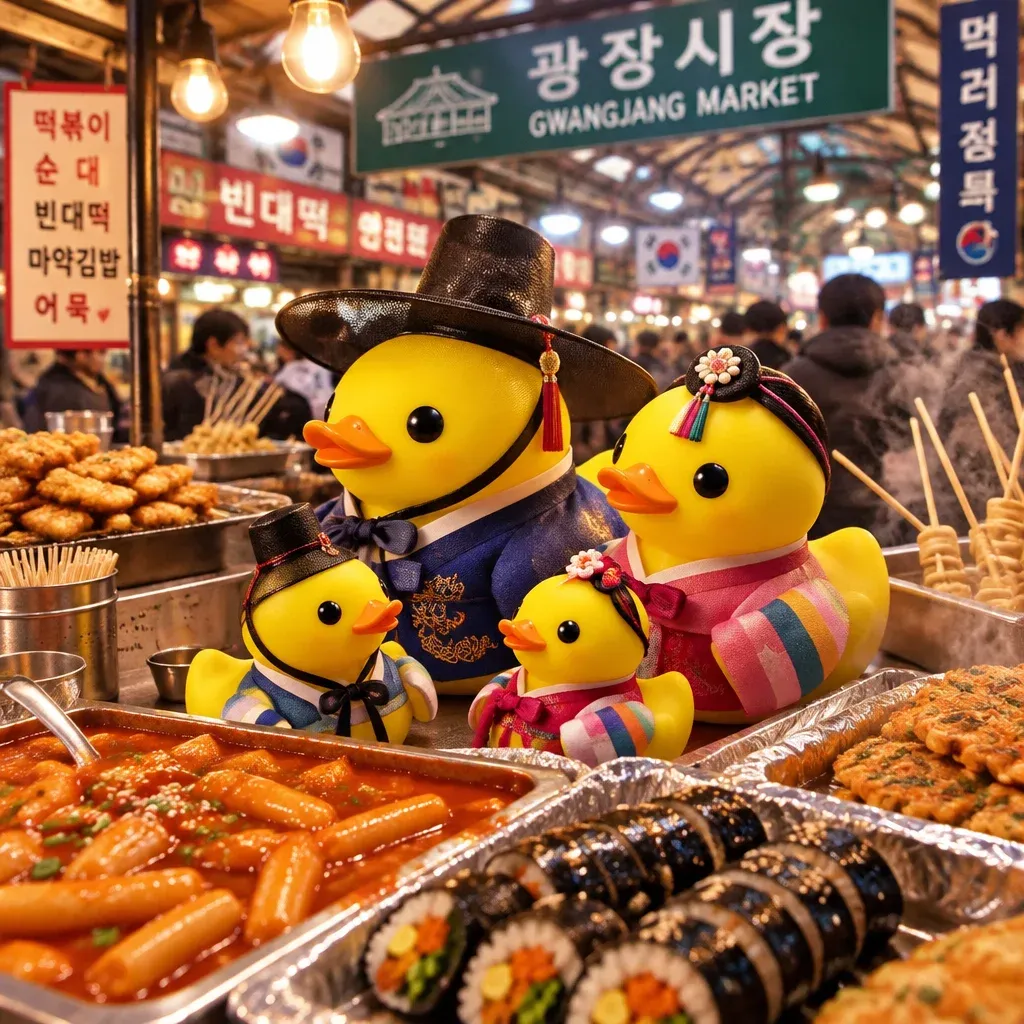
Gwangjang for food, and Dongdaemun and Myeongdong for shopping and street food.
Hongdae and Seongsu
Live music, street art, design cafés and Seoul’s youth culture.
N Seoul Tower
On Namsan Mountain, with views over the whole city, best at sunset.
Sample itineraries in Seoul
These are ideas to inspire you: we adjust the pace, accommodations and experiences to what you want and your budget.
3 days
Seoul in 3 days
- Day 1: Gyeongbokgung Palace (free entry if you wear a hanbok), Bukchon Hanok Village and Insadong.
- Day 2: Changdeokgung Palace and its Secret Garden, Gwangjang Market and a walk along Cheonggyecheon Stream.
- Day 3: Myeongdong, N Seoul Tower and a night out in Hongdae.
5 days
5 days: with the DMZ
- Days 1 to 3: the itinerary above.
- Day 4: guided tour of the Demilitarized Zone (DMZ).
- Day 5: Gangnam, Dongdaemun Market and trendy Seongsu.
8 days
8 days: South Korea
- Days 1 to 4: Seoul.
- Days 5 to 8: high-speed train to Gyeongju, the ancient capital, and Busan, with beaches and a fish market.
Before you go
Practical information for traveling to Seoul
- Currency
- South Korean won (KRW). Cards are accepted almost everywhere.
- Language
- Korean; signs are also in English.
- Time zone
- Korea Standard Time (UTC+9) year-round.
- Entry requirements
- A valid passport. Check whether you need a K-ETA electronic travel authorization for your dates and nationality.
- Getting there
- Flights into Incheon airport, connected to downtown by the AREX train.
- Getting around
- An extensive subway; use a T-money card.
- Climate
- Hot, rainy summers and very cold winters.
- Best time to go
- Spring (April and May) and fall (September to November).
- Power outlets
- Types C and F at 220 V; US travelers need an adapter.
What your travel proposal includes
- A day-by-day itinerary tailored to your interests and pace.
- A selection of accommodations in the areas that suit you best.
- Flights and transfers, if you need them, booked through the iCliGo agency.
- Recommendations for experiences, tours and restaurants.
- Personal support before, during and after your trip.
Not included, unless you request them: personal expenses, meals not listed, local taxes paid at the destination or insurance. The final price depends on your dates and accommodations: we always spell it out in your proposal.
FAQs about traveling to Seoul
What do I need to travel to South Korea?
A valid passport. Check whether a K-ETA is required for your nationality on your travel dates.
How many days do I need in Seoul?
With 3 or 4 days you’ll see the highlights; with 5 you can add the DMZ. To see more of the country, plan on 8 to 10 days.
When is the best time to go to Seoul?
Spring and fall, with pleasant temperatures and beautiful scenery.
Can I combine Korea with Japan?
Yes, there are short flights between Seoul and Tokyo or Osaka, and even a ferry between Busan and Fukuoka.
If you like Seoul, you’ll also love

Shall we plan your trip to Seoul?
Tell us when you’d like to go, who you’re traveling with and what you’d love to experience in Seoul. We’ll reply within 24 business hours with a first proposal.