
Travel guide · Asia
Kyoto: a getaway of ancient temples, Zen gardens and Japanese tradition
Kyoto is traditional Japan: more than a thousand temples and shrines, Zen gardens, wooden houses in Gion and bamboo forests. The imperial capital for over a thousand years, it’s a city to explore slowly.
Why travel to Kyoto with voy a…
🎟️
We design the itinerary so you visit the most famous temples first thing in the morning, before the crowds.
🏨
We book experiences like a tea ceremony or a night in a ryokan.
🚆
We combine Kyoto with Nara, Osaka, Hiroshima or Tokyo.
💛
Personal support before, during and after your trip.
What to see and do in Kyoto
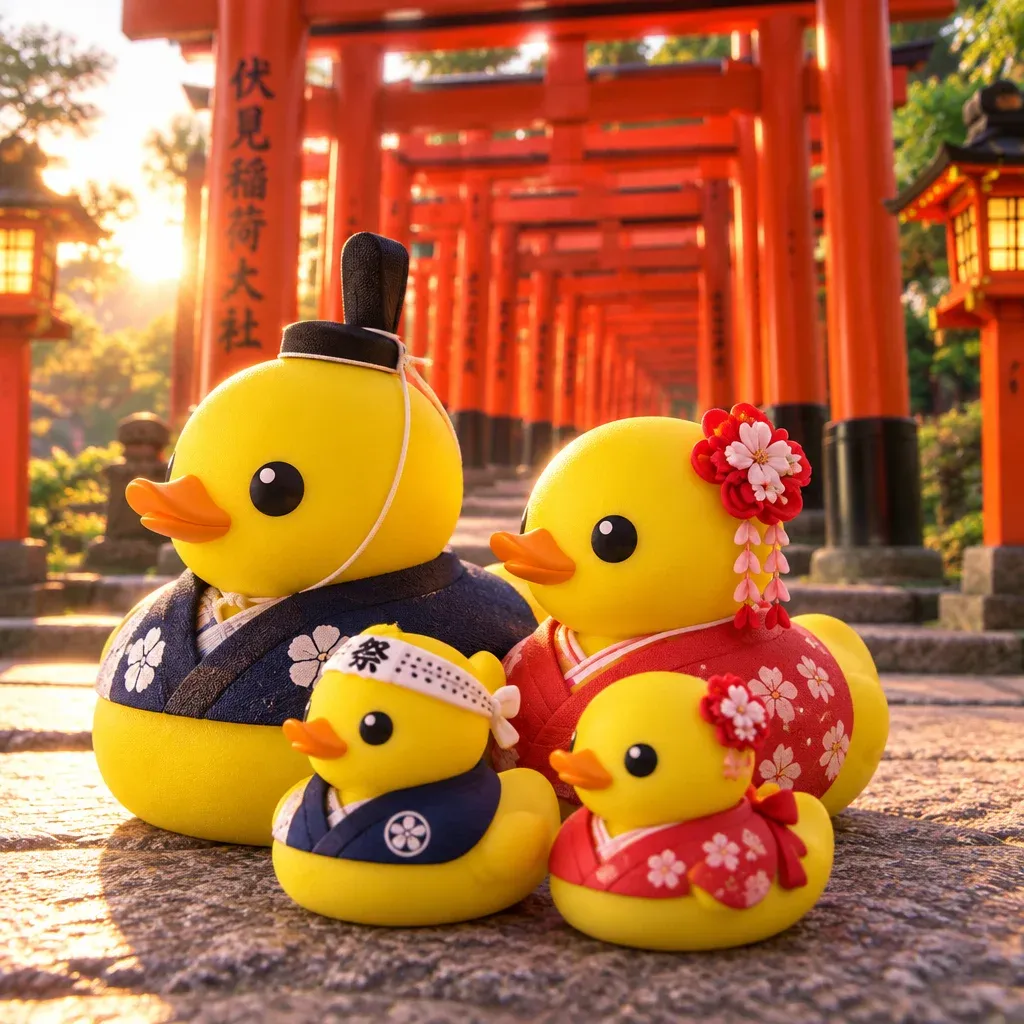
Fushimi Inari
Thousands of red torii gates winding up the mountain. Go very early to walk them in peace.
Kiyomizu-dera
A wooden temple on stilts with city views, surrounded by traditional streets.
Arashiyama
Its bamboo grove, the Togetsukyo Bridge and the monkey park.
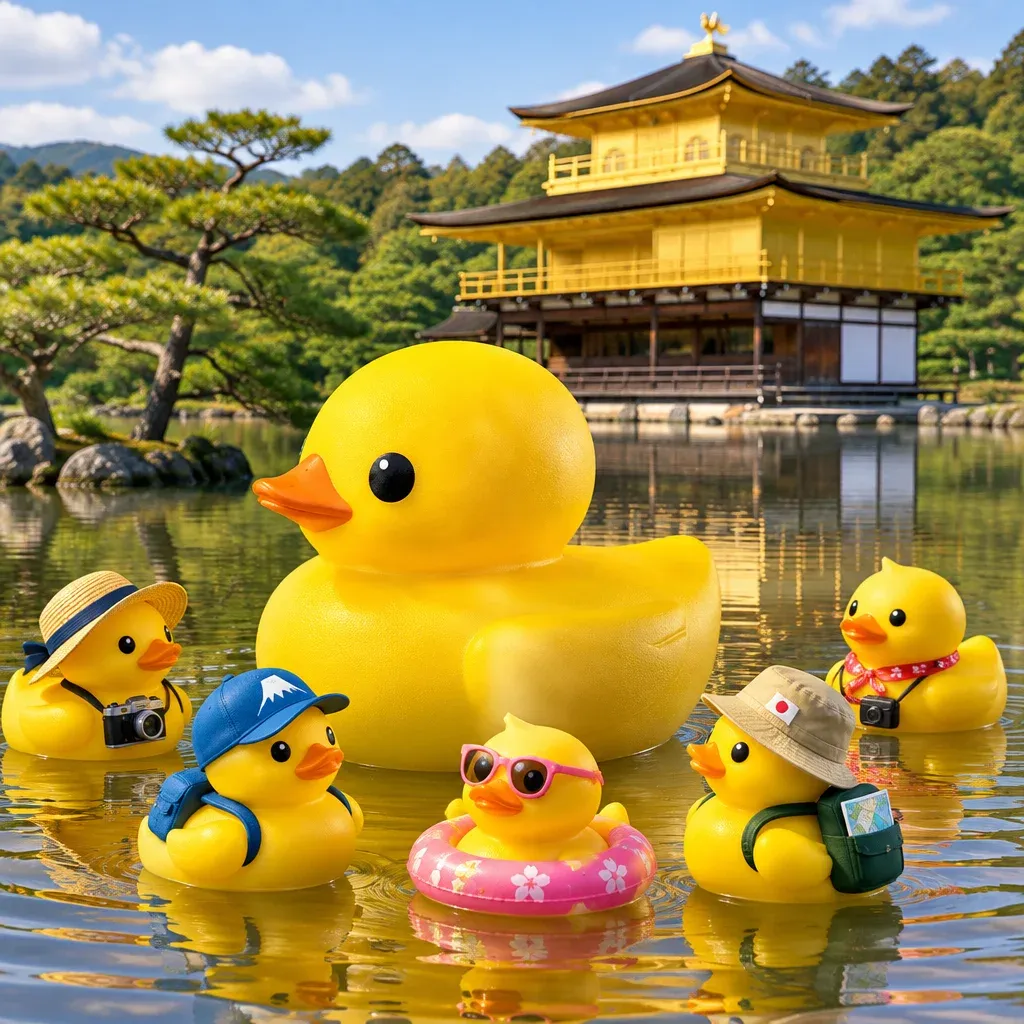
Kinkaku-ji
The Golden Pavilion reflected in its pond, one of Japan’s most famous images.
Gion
The geisha district, with wooden teahouses and lanterns at dusk.
Nishiki Market
“Kyoto’s kitchen”: pickles, sweets, matcha tea and small bites.
Sample itineraries in Kyoto
These are ideas to inspire you: we adjust the pace, accommodations and experiences to what you want and your budget.
2 days
Kyoto in 2 days
- Day 1: Fushimi Inari at dawn, Kiyomizu-dera, the streets of Higashiyama and evening in Gion.
- Day 2: Arashiyama (bamboo grove and Tenryu-ji Temple) and Kinkaku-ji, the Golden Pavilion.
3 days
3 days: Kyoto at a slower pace
- Days 1 and 2: the itinerary above.
- Day 3: the Philosopher’s Path, Ginkaku-ji, Nishiki Market and Nijo Castle.
5 days
5 days: Kyoto, Nara and Osaka
- Days 1 to 3: Kyoto.
- Day 4: Nara, with the Great Buddha of Todai-ji and its deer.
- Day 5: Osaka: the castle, Dotonbori and its street food.
Before you go
Practical information for traveling to Kyoto
- Currency
- Yen (JPY). Bring some cash for temples and small shops.
- Language
- Japanese.
- Time zone
- Japan Standard Time (UTC+9) year-round.
- Entry requirements
- US and EU citizens don’t need a visa for short tourist stays. Check current requirements.
- Getting there
- By bullet train from Tokyo in just over two hours, or from Kansai airport.
- Getting around
- Buses, subway, trains and bikes; use a rechargeable IC card.
- Climate
- Very hot, humid summers and cold winters.
- Best time to go
- Spring (cherry blossoms) and fall (red leaves, especially in November).
- Respect in Gion
- Some private streets ban photography; always be respectful of geiko and maiko.
What your travel proposal includes
- A day-by-day itinerary tailored to your interests and pace.
- A selection of accommodations in the areas that suit you best.
- Flights and transfers, if you need them, booked through the iCliGo agency.
- Recommendations for experiences, tours and restaurants.
- Personal support before, during and after your trip.
Not included, unless you request them: personal expenses, meals not listed, local taxes paid at the destination or insurance. The final price depends on your dates and accommodations: we always spell it out in your proposal.
FAQs about traveling to Kyoto
How many days do I need in Kyoto?
At least 2 or 3. With 4 or 5 you can add Nara and Osaka at a relaxed pace.
How do I get from Tokyo to Kyoto?
By bullet train (Shinkansen) in just over two hours. We book it when we plan your route.
Is it worth staying in a ryokan?
Yes, at least one night: tatami, futon, a Japanese bath and a kaiseki dinner make for a very special experience.
When is the best time to go to Kyoto?
Spring and fall. They’re also the busiest seasons, so it’s best to book early.
If you like Kyoto, you’ll also love


Shall we plan your trip to Kyoto?
Tell us when you’d like to go, who you’re traveling with and what you’d love to experience in Kyoto. We’ll reply within 24 business hours with a first proposal.